How to Become a Better Goalkeeper: Skills to Train and Mistakes to Fix
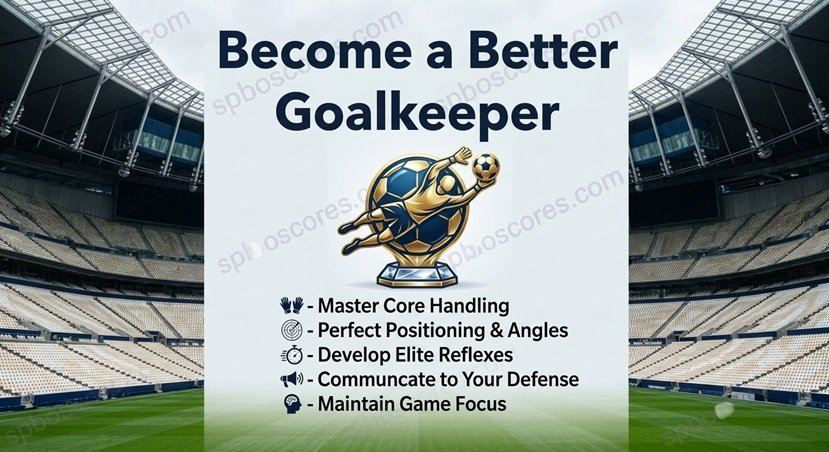
If you’re wondering how to become a better goalkeeper, work on your positioning, handling and footwork, not just spectacular saves. You also need accurate distribution, clear communication and the concentration to stay involved when the ball is far away. Usually, the best starting point is to make your everyday actions more dependable before chasing the dramatic ones.
This simply means giving each training session a purpose, rather than simply asking someone to shoot at you, decide which part of your game you want to improve and build your practice around it.
What does being a good goalkeeper involve?
Goalkeeping combines physical skills with reading the game. You need to move quickly, handle the ball securely and make decisions about developing attacks. But your job also includes organising defenders and finding teammates when your side regains possession.
My advice is to avoid judging a session only by the number of shots you save. Also ask whether you held the ball securely, gave useful instructions and found your intended teammate.
Get your stance and footwork right
A useful ready position has your knees slightly bent, your weight balanced and your body relaxed. Stay on the balls of your feet, with your hips facing the ball and your eyes following it. This prepares you to react rather than leaving you standing stiffly.
Quick feet matter because your movement into a save starts from the ground. US Sports Camps recommends foot-speed work to help goalkeepers react, dive and jump for the ball.
For a simple practice, ask a partner to serve the ball from different positions. Focus on moving into line with it and finding your balanced stance before the next delivery. Start with manageable service so the exercise stays about your movement, not just whether you can reach the ball.
Don’t make every repetition a diving competition. In our view, a useful question is: Was I ready when the ball arrived?
Improve your positioning and anticipation together
Good positioning puts you in a better place to save, catch or clear the ball. Anticipation is the ability to recognise what might happen next, including when an opponent is preparing to shoot. Both are part of effective goalkeeping.
Keep watching the play, not only the player who currently has possession. Match experience and close attention to opponents’ actions help develop anticipation. The position of a shooter’s feet can also offer a clue about the direction of a kick, although it shouldn’t replace watching the ball.
Say a striker is preparing to shoot. Use their foot position as one clue while keeping your attention on the ball, rather than trying to guess from where they’re looking.
After a training shot, ask yourself whether the difficulty came from the save itself or from where you started. That’s a useful review habit, not a reason to blame yourself for every goal.
Make secure handling a training priority
A goalkeeper needs to keep spills and drops to a minimum. Secure handling matters across different situations, while strength helps with controlling powerful shots and gathering high balls in crowded areas.
For higher catches, wikiHow describes a W-shaped hand position, with your thumbs close together. It also recommends keeping your hands over the ball rather than allowing it to pass through them towards goal.
Our suggestion is to give handling its own practice block. Ask a partner for controlled deliveries and concentrate on securing each ball before returning it. Then vary the service as your control improves.
Keep the aim clear: you’re practising possession of the ball, not merely making contact with it. If you’re also choosing equipment for rainy sessions, see our guide to goalkeeper glove latex for wet weather.
Train your distribution with teammates
Your work doesn’t finish when you make a save, a goalkeeper can start the next attack through a throw or kick, and the accuracy of that first pass matters.
Useful distribution skills include underarm rolls, overarm throws, drop kicks and kicks from a stationary ball. Goalkeepers also need to stay comfortable receiving back-passes under pressure.
US Sports Camps recommends repeated distribution practice with teammates, including learning where they prefer to receive the ball. So don’t treat kicking practice as a contest to see who can send it furthest.
Try choosing a teammate as your target and practising different ways of reaching them. Ask whether the delivery arrived where they wanted it. In our view, that conversation makes the exercise more useful than practising distance alone.
Give your defenders clear information
Goalkeepers see the pitch from a different angle and can help defenders recognise danger and organise marking. Communication is part of the position, not an optional extra for naturally loud players.
US Sports Camps advises keepers to continue communicating until the intended defensive action is completed. That means speaking with a purpose rather than shouting once and assuming everyone understood.
For example, instead of calling only a teammate’s name, identify the opponent you want them to mark. Keep your message short enough to act on.
Our view is that useful information matters more than constant noise. Practise communicating during training so it becomes part of your game rather than something you remember only after conceding.
Build fitness without forgetting the goalkeeper’s job
Goalkeeping requires speed, changes of direction and the agility to get up quickly after going to ground. Strength also supports handling, diving and dealing with high balls.
Your physical work should therefore support those demands. Alongside your general fitness, discuss foot-speed, strength and recovery movements with your coach rather than treating every session as a long run. Quick-foot drills are specifically recommended as part of goalkeeper development.
Bravery matters too, especially around attackers and crosses. But goalkeepers also need to know how to protect their bodies. (Don’t confuse commitment with throwing yourself into every situation; make safe technique something you work on with your coach.
Stay involved, and recover after mistakes
Concentration matters throughout the match, including periods when you aren’t making saves. Goalkeepers also need to make quick decisions and adapt when a choice goes wrong.
A mistake can test your confidence. The advice in Rank Goalkeeping’s guide is to remain positive about your ability and bring your attention back to the game rather than dwelling on the error.
Try a simple personal reset: acknowledge what happened, identify your next responsibility and return your attention to play. Save the longer discussion for after the match.
That isn’t pretending the mistake didn’t happen. It’s choosing a better time to learn from it.
Common questions about improving in goal
What should a beginner practise first?
In our view, start with a balanced stance, basic handling and accurate short distribution. These bring together the readiness, ball control and passing skills recommended in goalkeeper guidance. Add movement and more varied service as those actions become more dependable.
How can you improve your reactions?
Work on quick feet and readiness, not only last-second saves. Foot-speed drills support reacting to shots, while a balanced stance prepares you to move. Anticipating an opponent’s actions is another part of being ready.
Can you improve without playing matches?
Training can develop skills such as distribution and footwork, but match time helps build anticipation through reading opponents and following real play. Treat practice and games as complementary parts of your development.
For your next session, choose one clear priority: cleaner catches, more accurate passes or better communication. Give yourself something specific to work on, rather than leaving the pitch with only a vague promise to do better.
Sources

Bernard Bassey
Bernard Bassey runs SPBO Scores from Abuja and writes about football rules, records and Nigerian football.